
Digital Banking #11
The Rise of Digital Banking in Vietnam. Let’s walk through Digital Bank concept, and how it impacts the market.

What is Digital Banking?
Digital banking is a way to manage your money and do banking tasks using the internet, instead of going to a physical bank branch.
Some key features of digital banking include:
Checking account balances
Transferring money between accounts
Paying bills online
Depositing checks by taking a photo with your phone
Setting up automatic payments
Viewing transaction history
Digital banking is designed to be convenient, allowing you to do most banking tasks 24/7 from anywhere you have internet access. It's like having a mini bank branch in your pocket or on your computer.

History of Digital Banking
Digital banking started with ATMs and cards in the 1960s. In the 1980s, the internet helped connect stores and customers, leading to early online shopping and inventory systems. By the 1990s, online banking became common as internet connections improved.
In the 2000s, smartphones made it possible to do banking on the go, and now over 60% of people use their phones for banking. Banks must keep improving their digital services to meet customer needs for convenience and ease of use across different devices like phones, computers, and smart TVs.
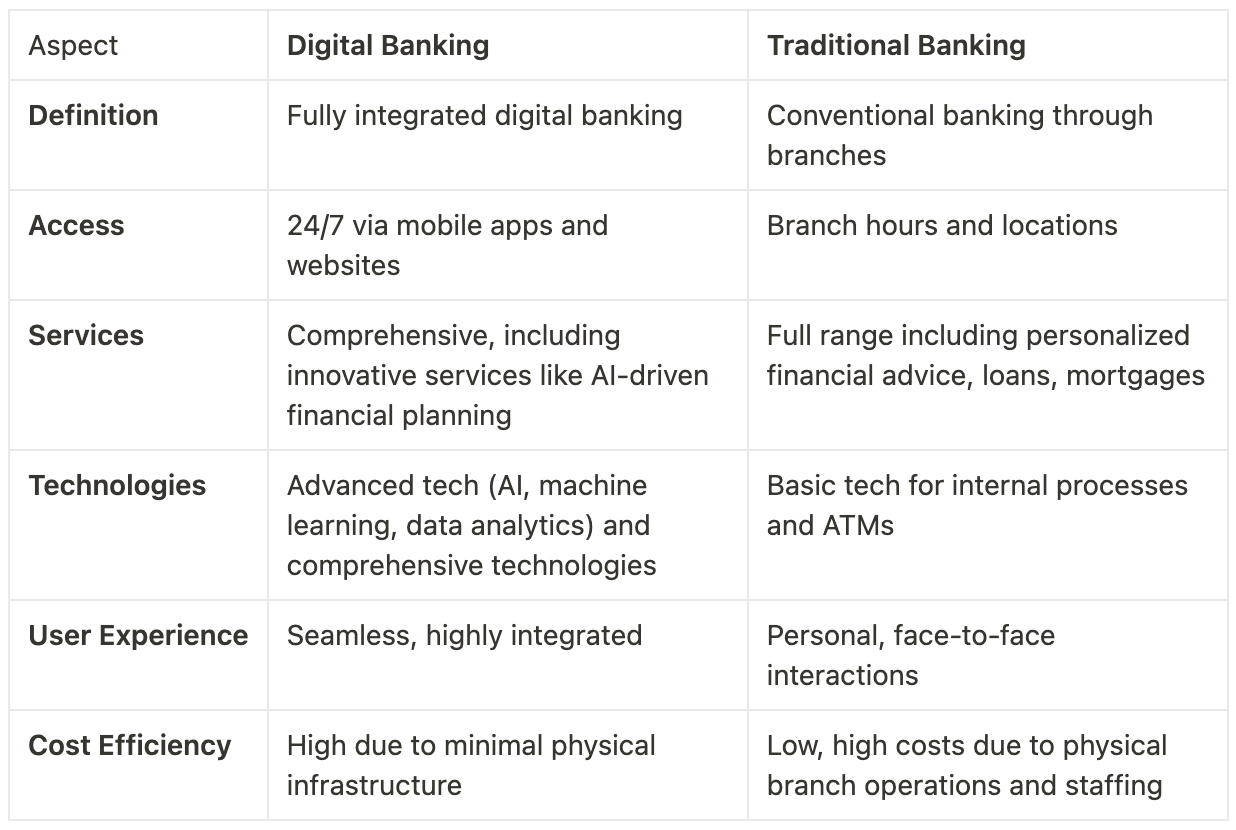
Compare Digital Banking with Traditional Banking
Now, move forward to the features. How does digital banking make it convenient for customers?
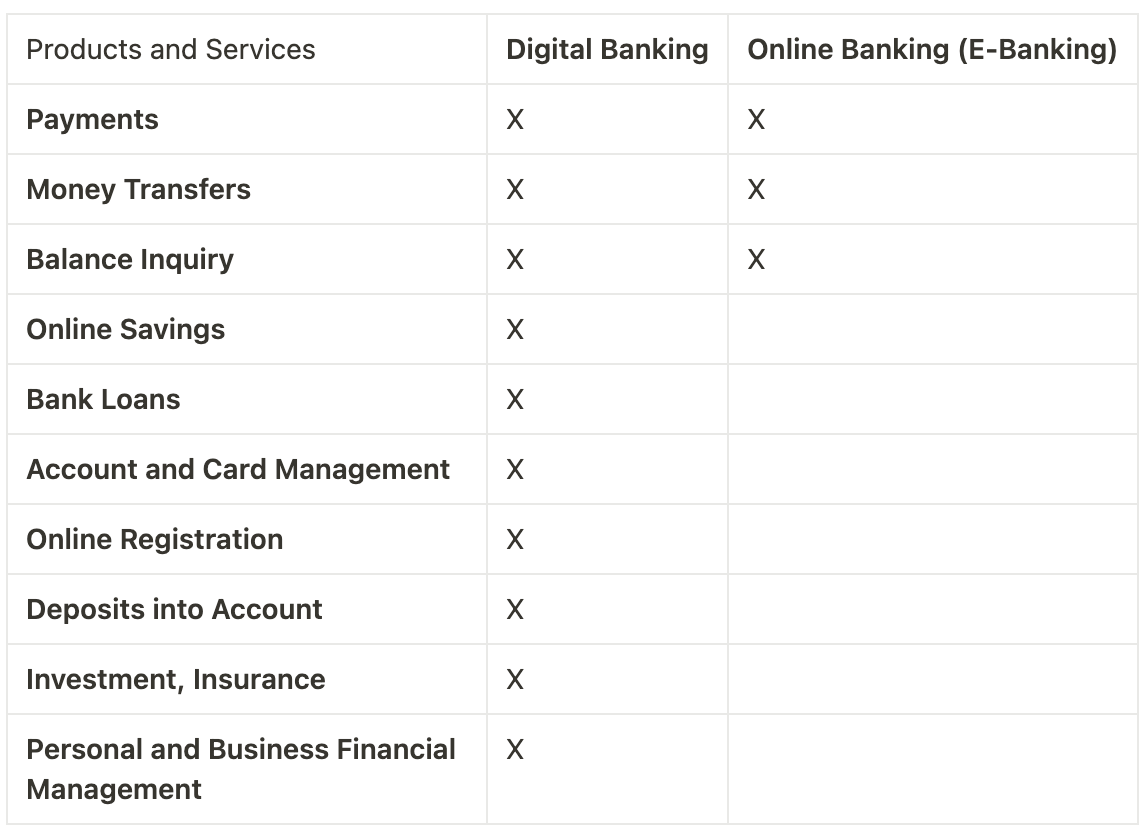
Digital Banking Products and Services
Digital banks offer a wide range of products and services, often similar to traditional banks but delivered through digital channels. Here's an overview of common products and services offered by digital banks.
Account Management
Checking and Savings Accounts: Open and manage accounts online, view balances, and transaction history.
Multi-currency Accounts: Access and manage accounts in different currencies.
Payments and Transfers
Money Transfers: Domestic and international transfers, recurring transfers.
Mobile Payments: Bill payments, digital wallets for contactless payments.
Currency Exchange: Exchange currencies at competitive rates.
Cards and Debit Cards
Apply for and manage virtual and physical cards, set spending limits, and track expenses.
Loans and Credit
Apply for personal, auto, and home loans, manage loan repayments, view loan statements.
Investments
Invest in stocks, mutual funds, and other financial instruments, get personalized investment advice.
Customer Support
24/7 support through chatbots and live agents, FAQs, and help resources.
Rewards and Cashback
Earn rewards points, cashback on purchases, access to special offers and discounts.
Why is Digital Banking?
Digital banking offers several advantages over traditional banking. Here's a comparison to help understand why digital banking has become increasingly popular:
Convenience
Digital: 24/7 access from anywhere with internet connection
Traditional: Limited to branch hours and locations
Time-saving
Digital: Instant transactions, no queues
Traditional: May require waiting in line at a branch
Cost
Digital: Often lower fees due to reduced overhead costs
Traditional: May have higher fees to maintain physical branches
Speed of transactions
Digital: Many transactions are instantaneous
Traditional: Some transactions may take days to process
Account monitoring
Digital: Real-time updates and alerts
Traditional: May need to wait for monthly statements
Services offered
Digital: Wide range of services available online
Traditional: Some services may require in-person visits
Paperwork
Digital: Mostly paperless
Traditional: Often requires physical forms and documents
Environmental impact
Digital: Generally more eco-friendly (less paper, no travel)
Traditional: Higher carbon footprint
Innovation
Digital: Rapidly evolving with new features and technologies
Traditional: Slower to adopt new technologies
Personal interaction
Digital: Limited personal interaction, but often has 24/7 customer support
Traditional: Face-to-face interactions available
Security
Digital: Advanced encryption, but vulnerable to cybercrime
Traditional: Physical security, but vulnerable to theft or loss of documents
Financial management tools
Digital: Often includes budgeting and analytics tools
Traditional: May offer fewer integrated management tools
While digital banking offers many advantages, traditional banking still has its place, especially for complex transactions, large cash deposits, or for customers who prefer face-to-face interactions. Many banks now offer a hybrid model, combining digital services with some physical branches.
Digital Banking in Vietnam
Vietnam is currently experiencing a golden population structure
With 70% of its population in the 15-24 age group, according to UNFPA. This demographic is particularly receptive to digital banking services. A 2014 survey by McKinsey highlighted that 60% of users aged 21-29 used electronic banking services, followed by 48% of users aged 30-39, 39% of users aged 50-64, and 35% of users aged 40-49.
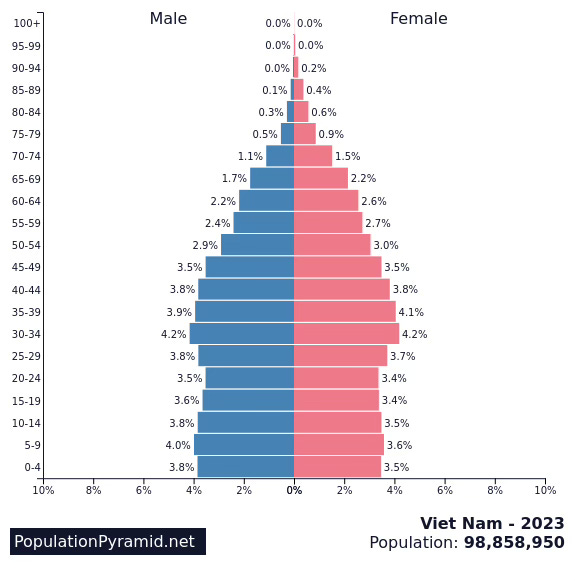
Vietnam's internet coverage rate is 52%, with a growth rate of 9%, ranking 15th globally
Internet access is primarily through mobile devices (93%) and computers (44%). Approximately 27% of the population uses smartphones, mainly in urban areas.
Currently 12 Aug 2024, there are 49 banks in Vietnam
There are 4 100% State-owned Banks, 31 Joint Stock Commercial Banks, 9 100% Foreign-owned Banks, 2 Policy Banks, 1 Cooperative Bank and 2 Joint Venture Banks.
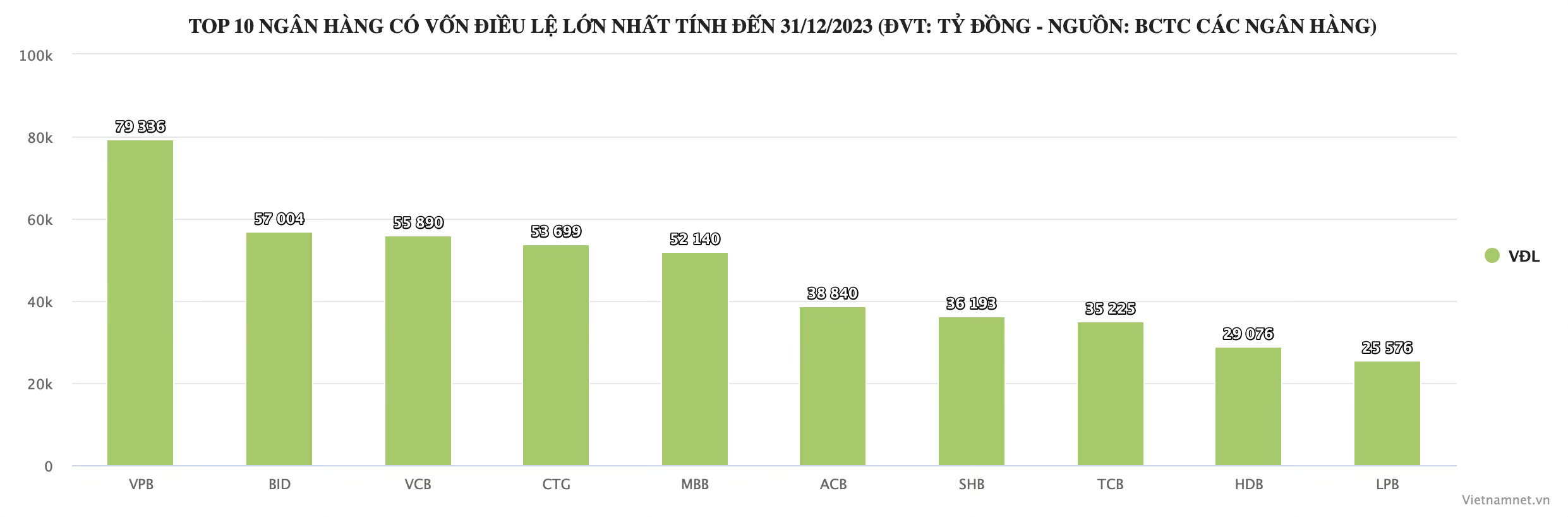
In general, all most Vietnamese banks have also launched digital banking applications like VCB Digibank, VietinBank iPay, BIDV SmartBanking, VPBank NEO, TPBank, HDBank, Agribank E-Mobile Banking, Omni-Channel of OCB, etc.
How digital banks grow in Vietnam?
According to statistics from the Vietnam Bankers Association, by the end of April 2021, there were 79 financial institutions providing internet payment services, 49 institutions supporting mobile payments, a network of 271,000 POS terminals, and 19,000 ATMs covering the entire country. Internet transactions increased by 65.9% in volume and approximately 31.2% in value compared to 2020, while mobile and QR code transactions also saw impressive growth.
Additionally, by the end of April 2022, transactions through the interbank system had grown significantly (more than 32.37%) compared to the same period in 2021. Specifically, cashless transactions increased by 27.5% in value and 69.7% in volume, mobile transactions grew by 86.68% in value and 97.6% in volume (compared to 2021). The total number of activated e-wallets rose by 10.37%, and particularly during the pandemic, mobile banking grew at a rate of 200%, with daily mobile transaction values reaching 300 billion VND/day. This represents remarkable growth in the development of digital banking in Vietnam.

Top digital banks operating in Vietnam
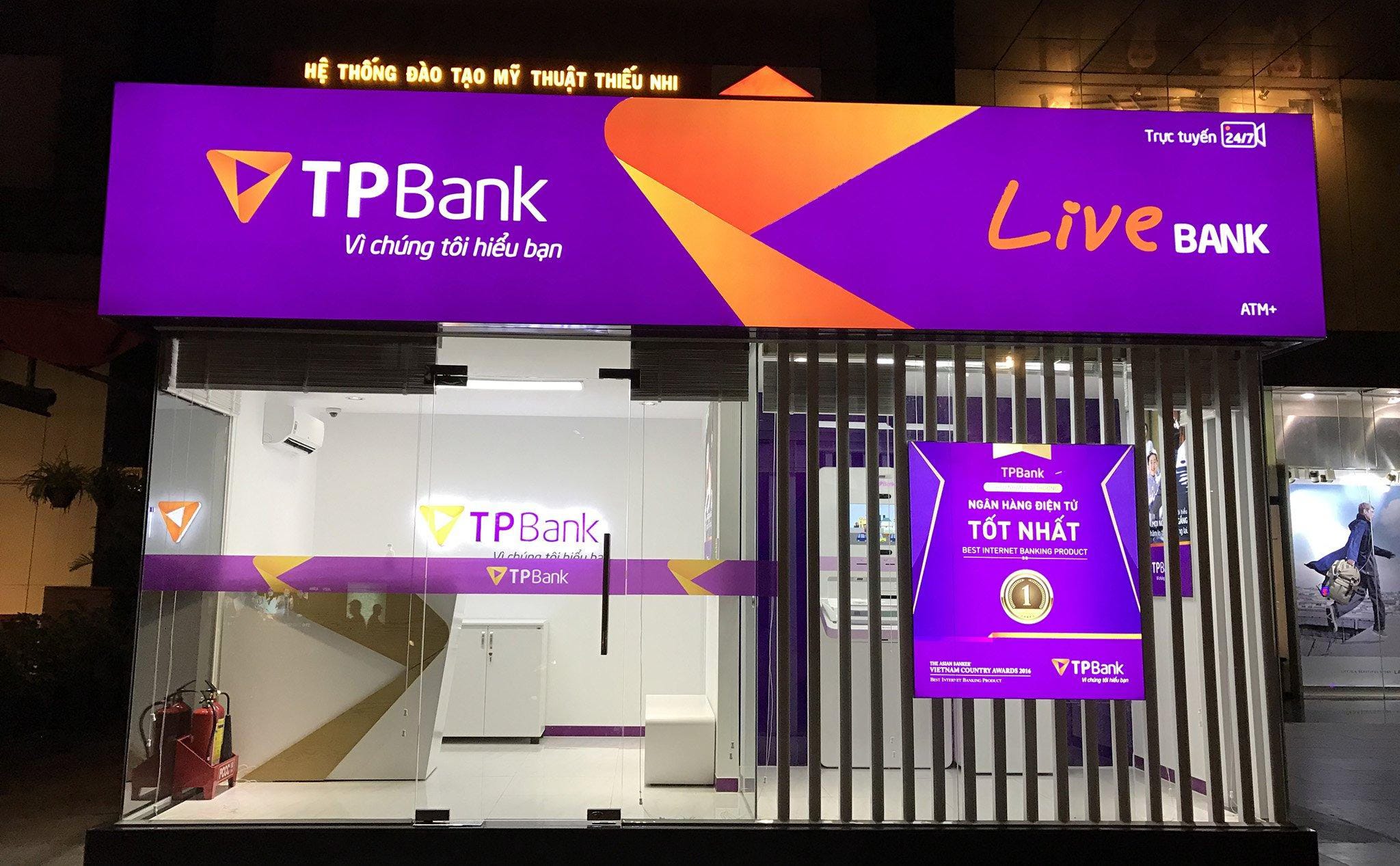
TPBank
TPBank is a leading digital banking and innovative financial services. With a mission to become the most innovative and customer-centric bank in Vietnam, TPBank has consistently invested in technology and digital transformation.
Highlight Features:
24/7 LiveBank kiosks for round-the-clock banking services.
Comprehensive mobile banking app with various functionalities including transfers, bill payments, and savings.
Internet banking platform offering a wide range of services for individual and corporate customers.
Vietcombank
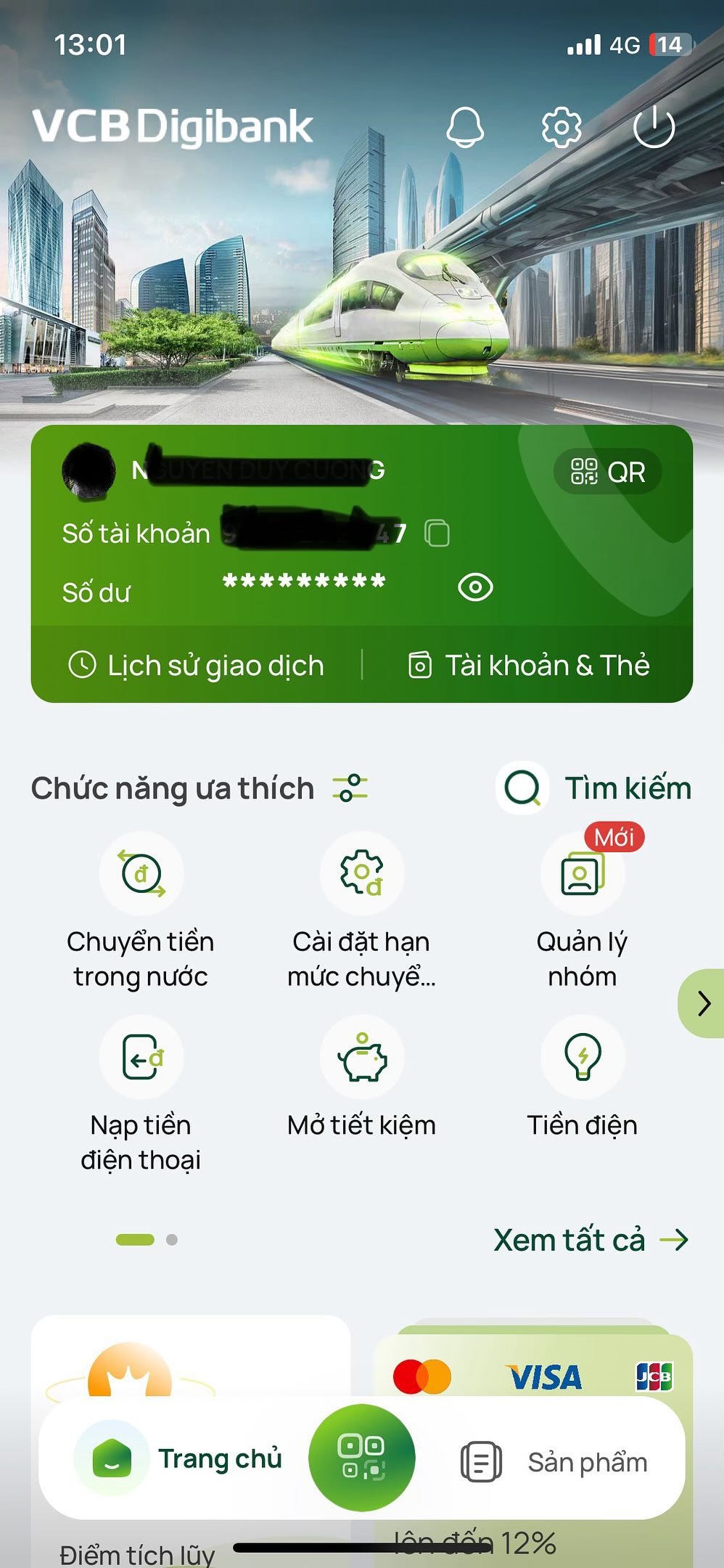
Vietcombank, one of Vietnam's largest state-owned banks, is known for its extensive network and comprehensive banking services. The bank has made significant strides in digital transformation, aiming to enhance customer experience and operational efficiency.
Highlight Features:
Hybrid digital banking services combining both traditional and online banking.
Advanced mobile banking app with features like QR code payments, card management, and investment services.
Internet banking with robust security features and extensive service offerings.
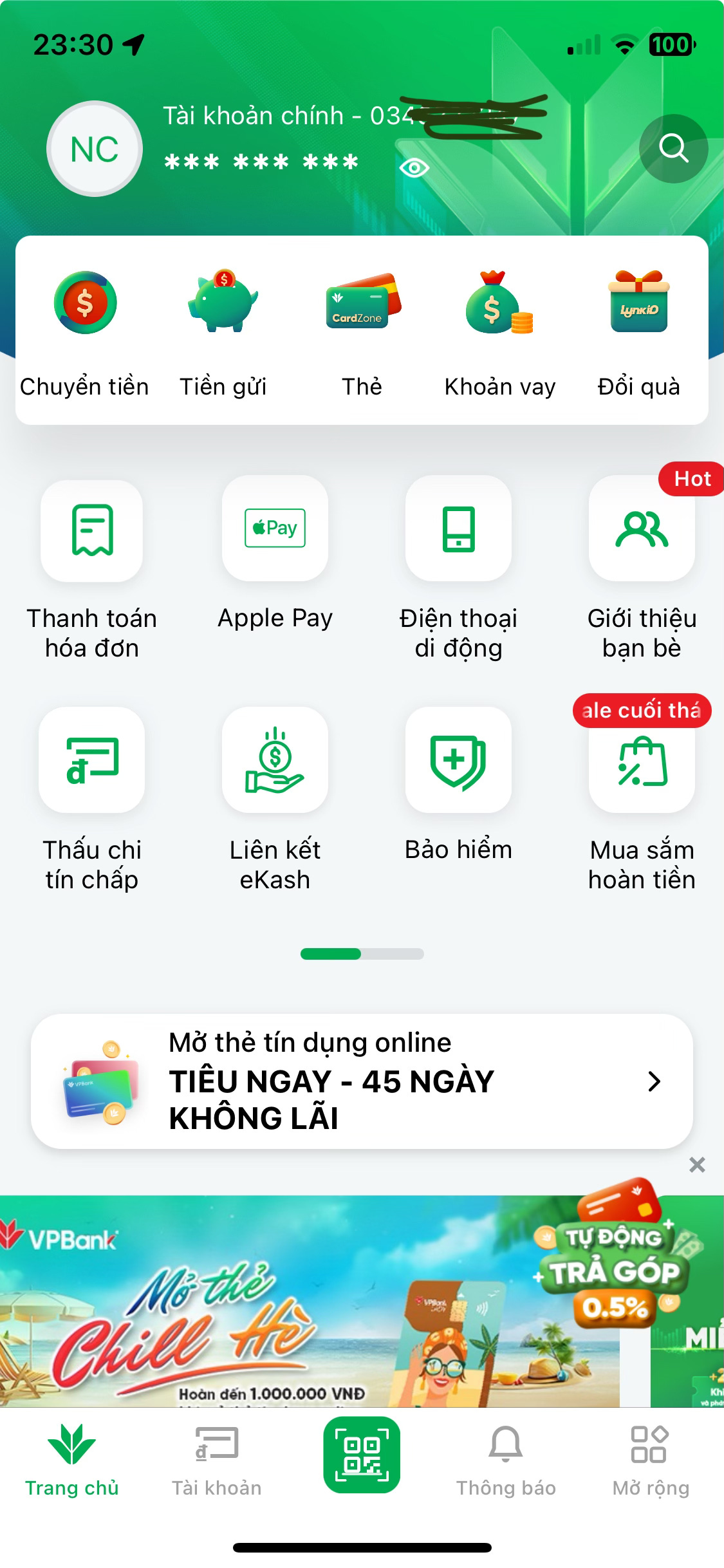
VPBank NEO
VPBank NEO is the digital banking platform of VPBank, one of Vietnam's most dynamic stock commercial banks. The platform is designed to provide seamless and comprehensive digital banking services to its customers.
Highlight Features:
Fully digital platform with services including account opening, fund transfers, bill payments, and loans.
User-friendly mobile app with innovative features like financial management tools and investment services.
Online customer support and chatbots for instant assistance.
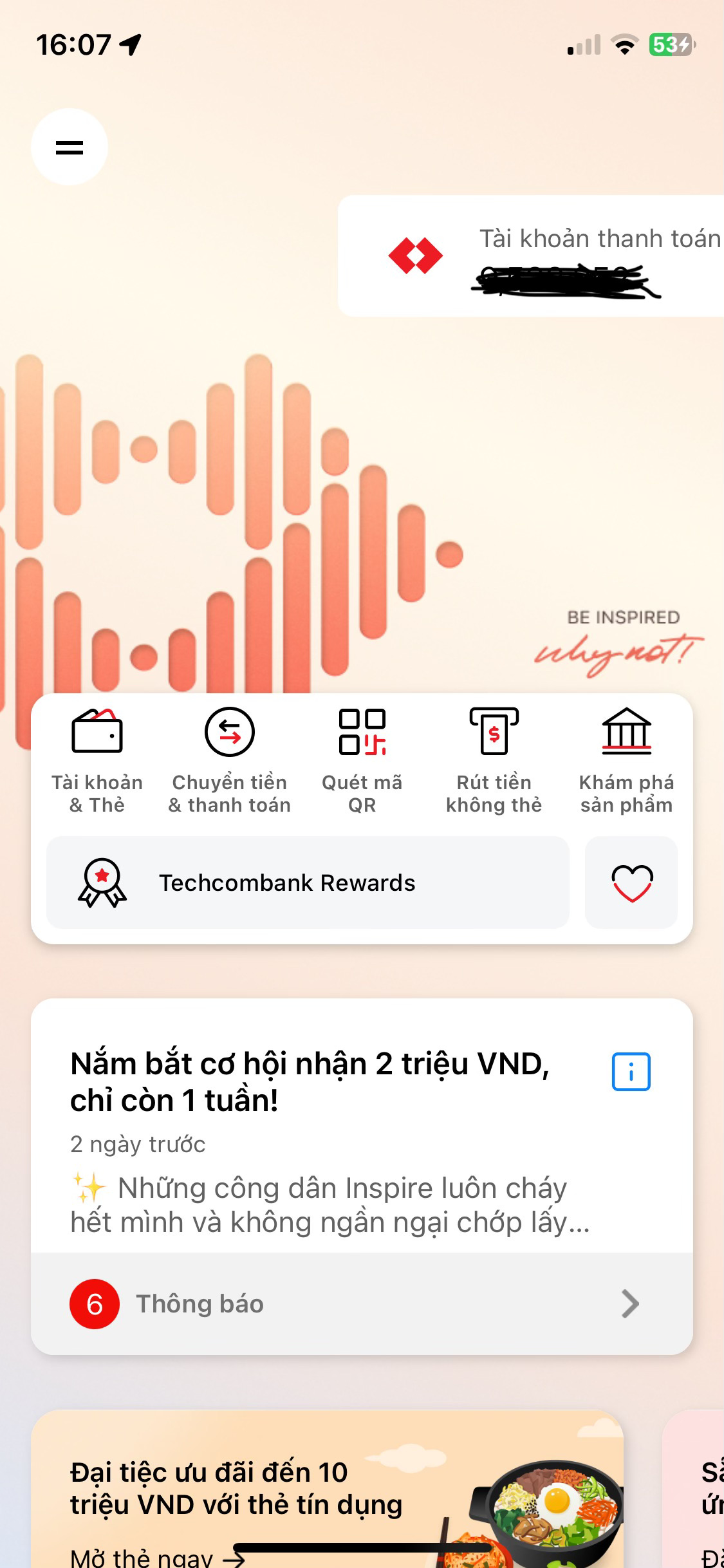
Techcombank
Techcombank is a leading stock commercial bank in Vietnam known for its strong financial performance and customer-centric approach. The bank has a significant focus on digital transformation to enhance customer experience and operational efficiency.
Highlight Features:
Comprehensive mobile banking app with various functionalities including transfers, payments, and investment services.
Internet banking platform with extensive features for both individual and corporate customers.
Focus on integrating digital technologies to streamline banking processes.
VIB
VIB is a dynamic stock commercial bank in Vietnam known for its innovation and customer-centric approach. The bank has a strong focus on digital banking and has received numerous accolades for its digital initiatives.
Highlight Features:
Hybrid digital banking services with a focus on mobile and online platforms.
MyVIB mobile app with a wide range of functionalities including transfers, bill payments, and personal finance management. In particular, AI Voice and AR are unique selling propositions to other competitors.
Internet banking platform with extensive service offerings for individual and corporate customers.

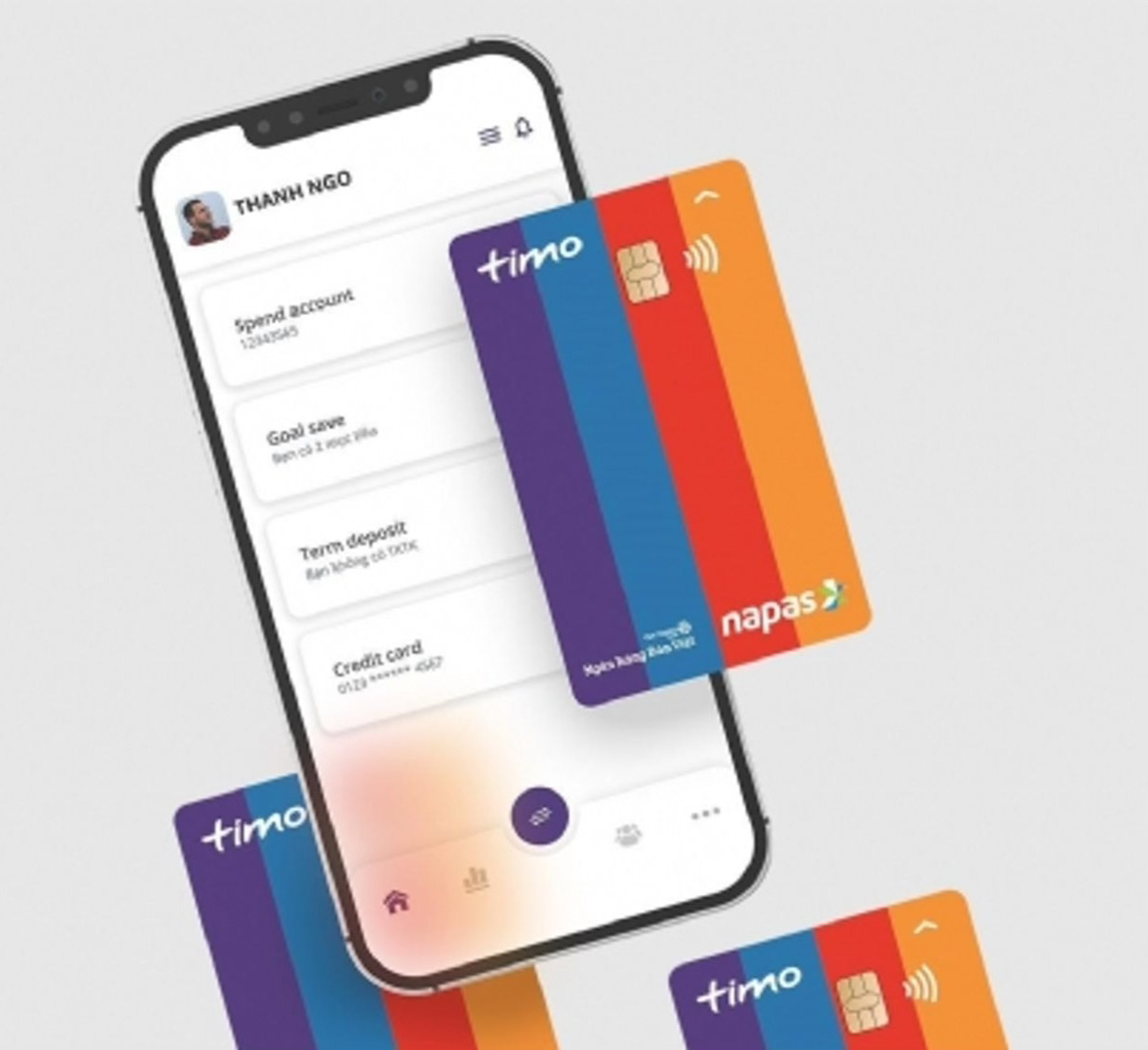
Timo
Timo is Vietnam's first digital-only bank, offering a seamless and fully digital banking experience. With no physical branches, Timo provides all its services through its mobile app and online platform.
Highlight Features:
Fully digital banking with account opening, fund transfers, bill payments, and savings all available through the app.
User-friendly interface designed to provide a seamless banking experience.
Online customer support and chatbots for instant assistance.
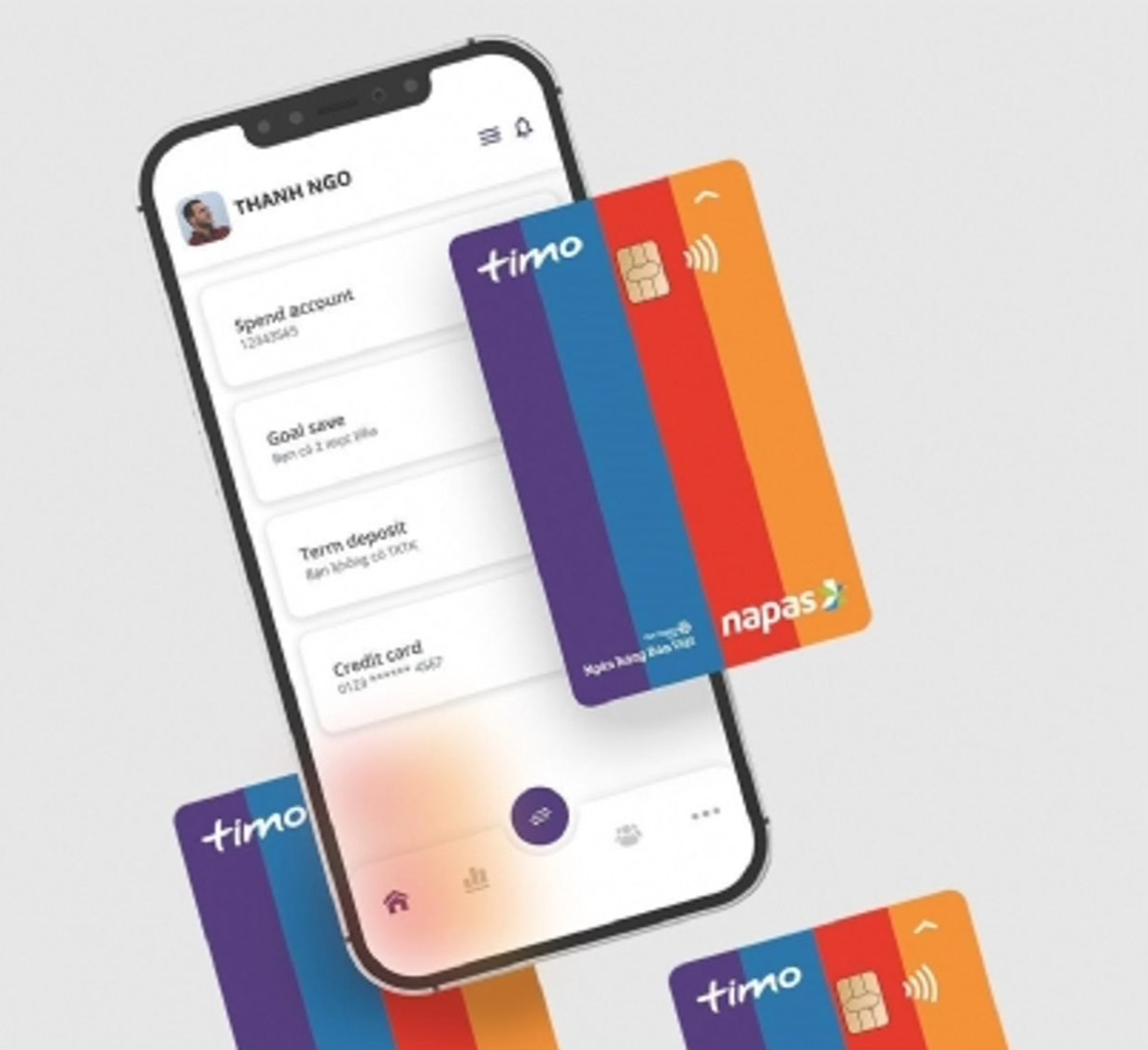
Timo mobile app.
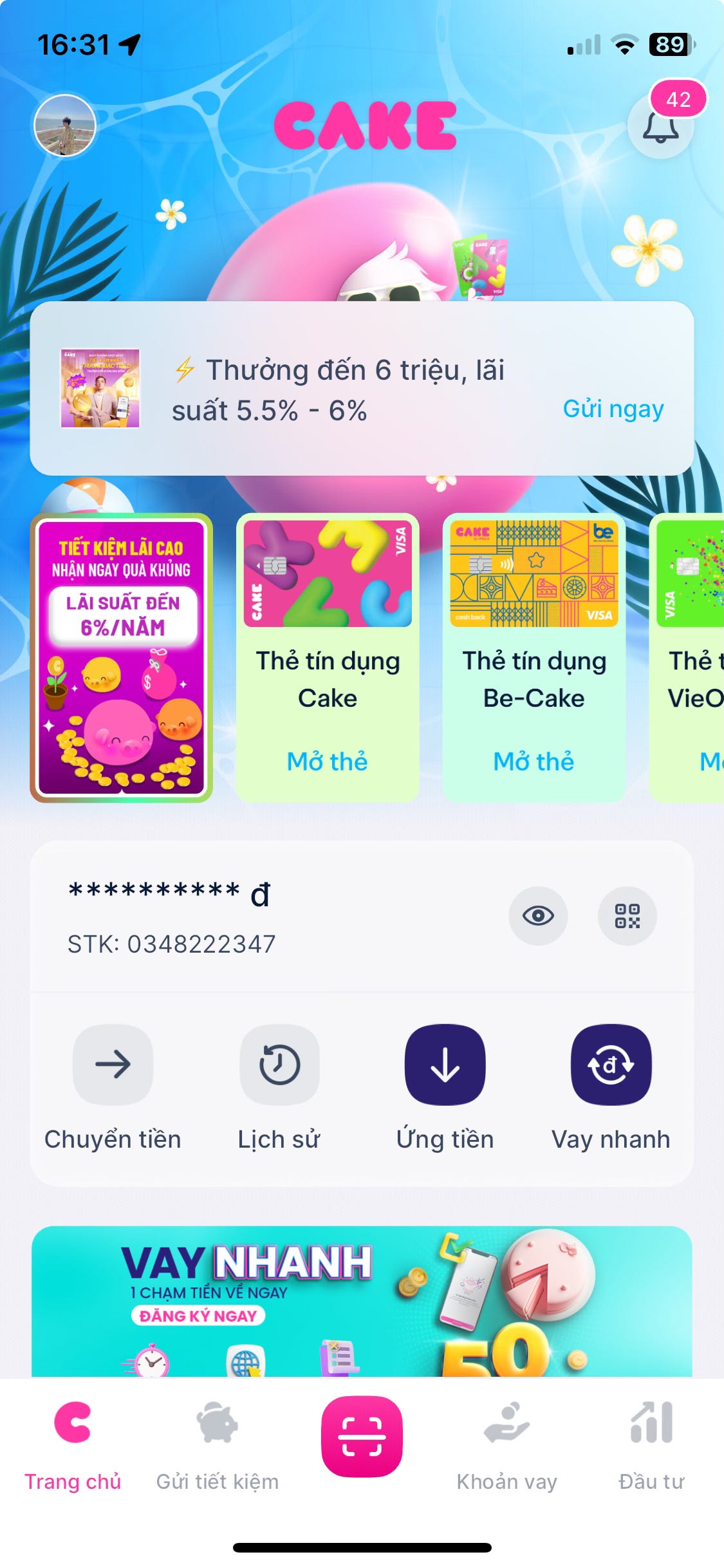
Cake by VPBank
Cake is a digital-only bank operated by VPBank that is a zero-fee digital bank.
Highlight Features:
Fully digital platform with services including account opening, fund transfers, bill payments, and loans.
User-friendly mobile app with a focus on convenience and innovation.
Key Takeaways
Digital banking adoption is growing rapidly in Vietnam, driven by a young population and increasing internet penetration.
Digital banking offers numerous advantages such as convenience, lower costs, and rapid transactions.
Major features of digital banking include 24/7 account access, online transactions, mobile payments, and digital financial management tools.
Mobile banking surged 200%, with daily transactions reaching 300 billion VND, highlighting the shift towards digital financial services.
Vietnam has a diverse banking sector with 49 banks, including state-owned, joint-stock, and foreign banks. All most Vietnamese banks have their own digital bank.
TPBank, Vietcombank, VPBank, Techcombank, VIB, Cake, Timo are the leading digital banking in Vietnam market.
Digital banking is surging in Vietnam, with widespread adoption of mobile apps and online services. Banks are rapidly expanding digital offerings, transforming financial services for consumers.
Sources
Phát triển ngân hàng số tại Việt Nam - Thực trạng và giải pháp mới nhất hiện nay
Ngân hàng số là gì? Top 7 ngân hàng số tại Việt Nam uy tín nhất
Thanks for reading my article! Your feedback is invaluable to me, so please feel free to share your thoughts and ideas.